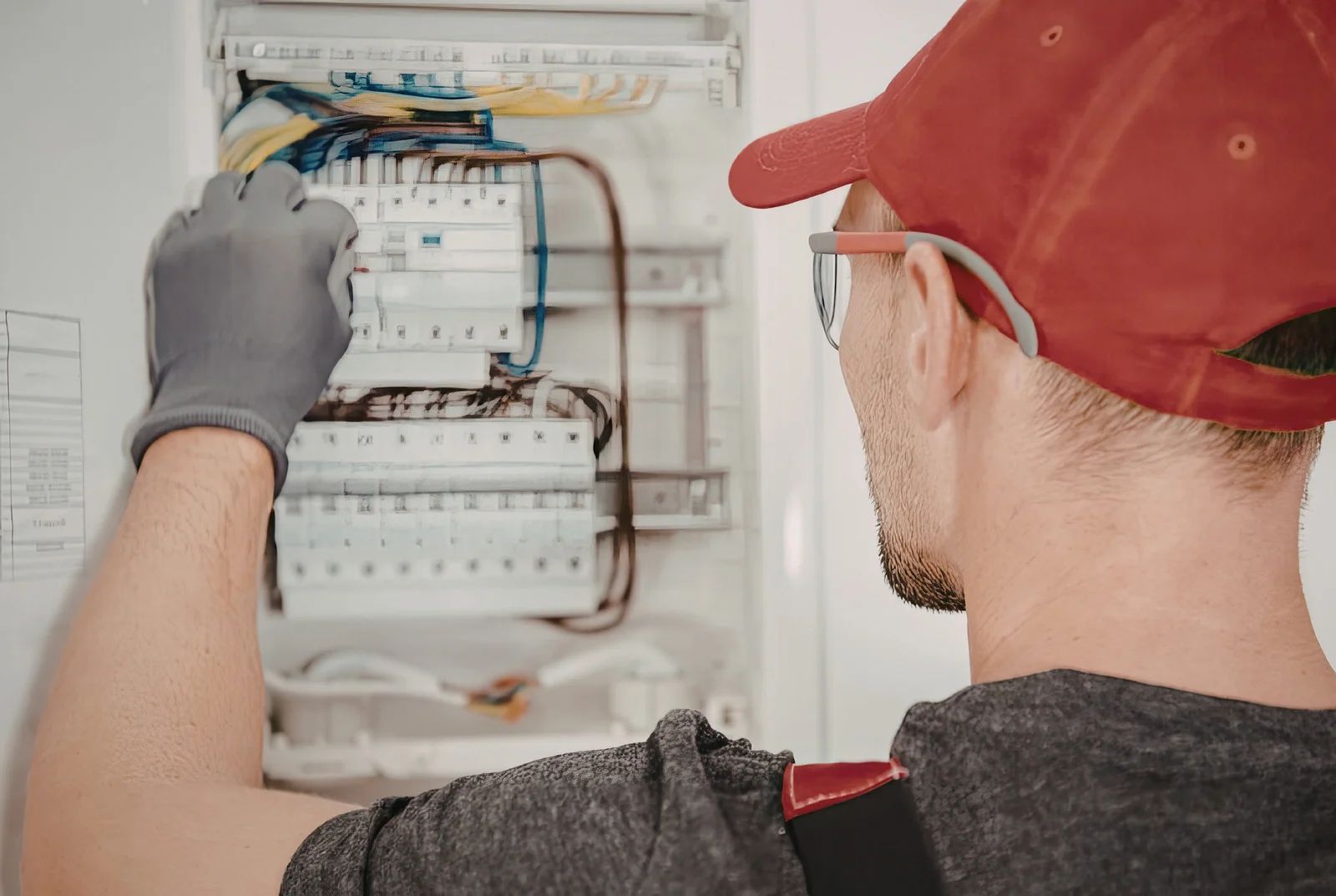
Emergency Electrical Services: What Counts as an Electrical Emergency?
December 16, 2025

Power outages can strike at any time, leaving families in the dark and disrupting daily routines. Whether caused by storms, grid failures, or unexpected emergencies, losing electricity can create safety concerns and discomfort. From spoiled food to interrupted medical equipment, the consequences can be serious. Fortunately, homeowners can take control of the situation by preparing in advance. One of the most effective solutions is installing a home generator. With reliable backup power, you can keep your home running smoothly no matter what Mother Nature throws your way.
Common Types of Electrical Emergencies
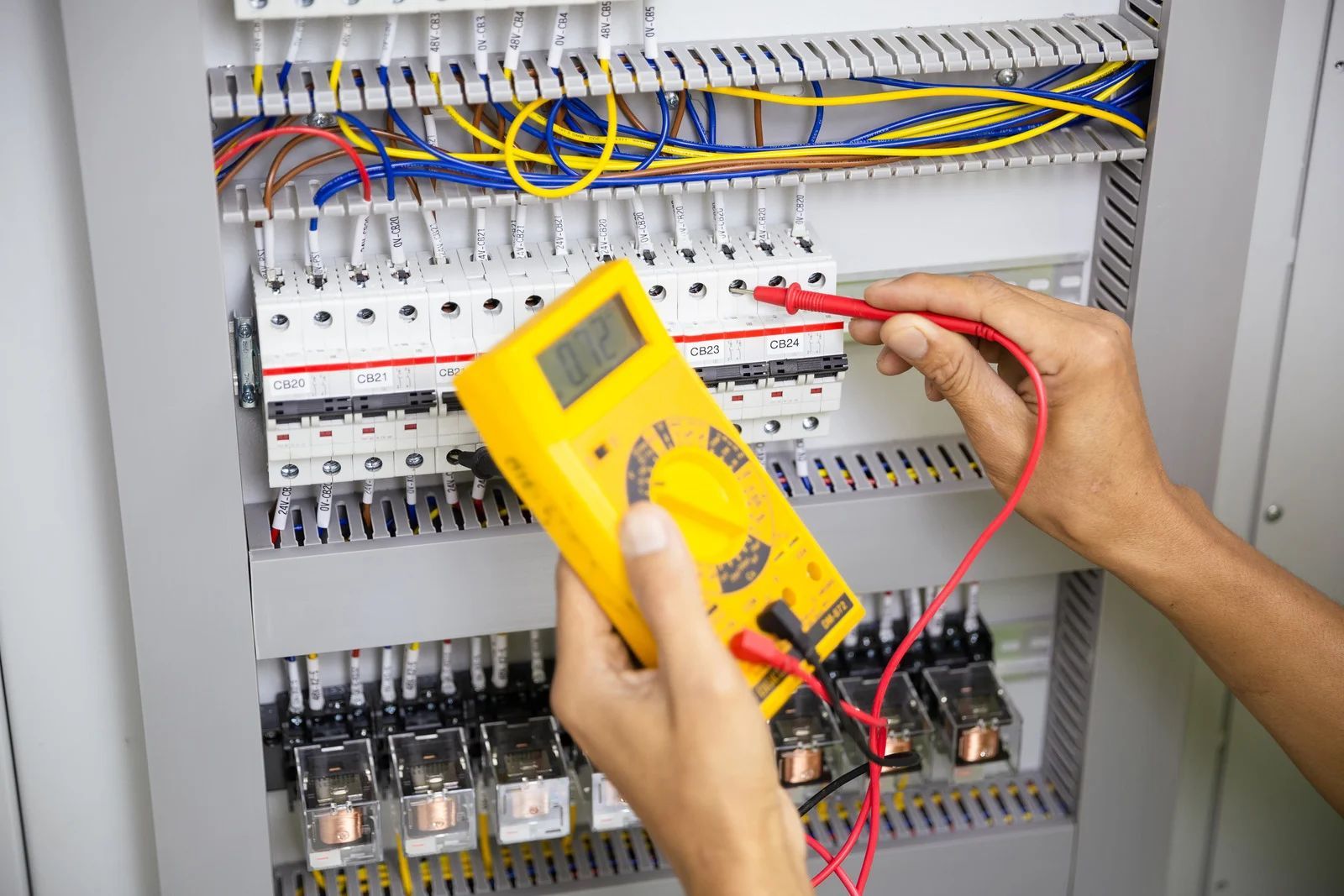
- Power Outages and Sudden Blackouts:- Power outages can occur due to weather, grid failures, or internal electrical system issues. While some outages are external and temporary, sudden blackouts within a building may indicate serious wiring or circuit problems. For example, if lights and appliances shut off abruptly while others remain operational, it could signal a faulty circuit breaker or overloaded wiring. In these cases, attempting to reset breakers without professional inspection can be dangerous. Emergency electrical services provide rapid assessment, repair, and restoration to prevent further hazards.
- Sparking Outlets and Electrical Fires:- Sparking outlets are an immediate red flag. This can happen when wiring connections are loose, outlets are damaged, or devices draw excessive current. Even small sparks should be treated as emergencies because they can ignite surrounding materials and lead to electrical fires. Signs include unusual smells, smoke, or scorching around outlets. Professional electricians can safely identify the root cause and repair or replace faulty components to prevent fire hazards. Early intervention is critical to protecting both people and property.
- Overloaded Circuits:- Overloading circuits is a common cause of electrical emergencies. Plugging too many high-wattage devices into a single circuit can cause breakers to trip repeatedly. While a tripped breaker may seem like a simple fix, repeated overloads can damage wiring insulation and lead to overheating, sparking, or fires. Identifying overloaded circuits and redistributing electrical loads requires expert knowledge. Emergency electrical services ensure that circuits are balanced, upgraded if necessary, and safe for continued use.
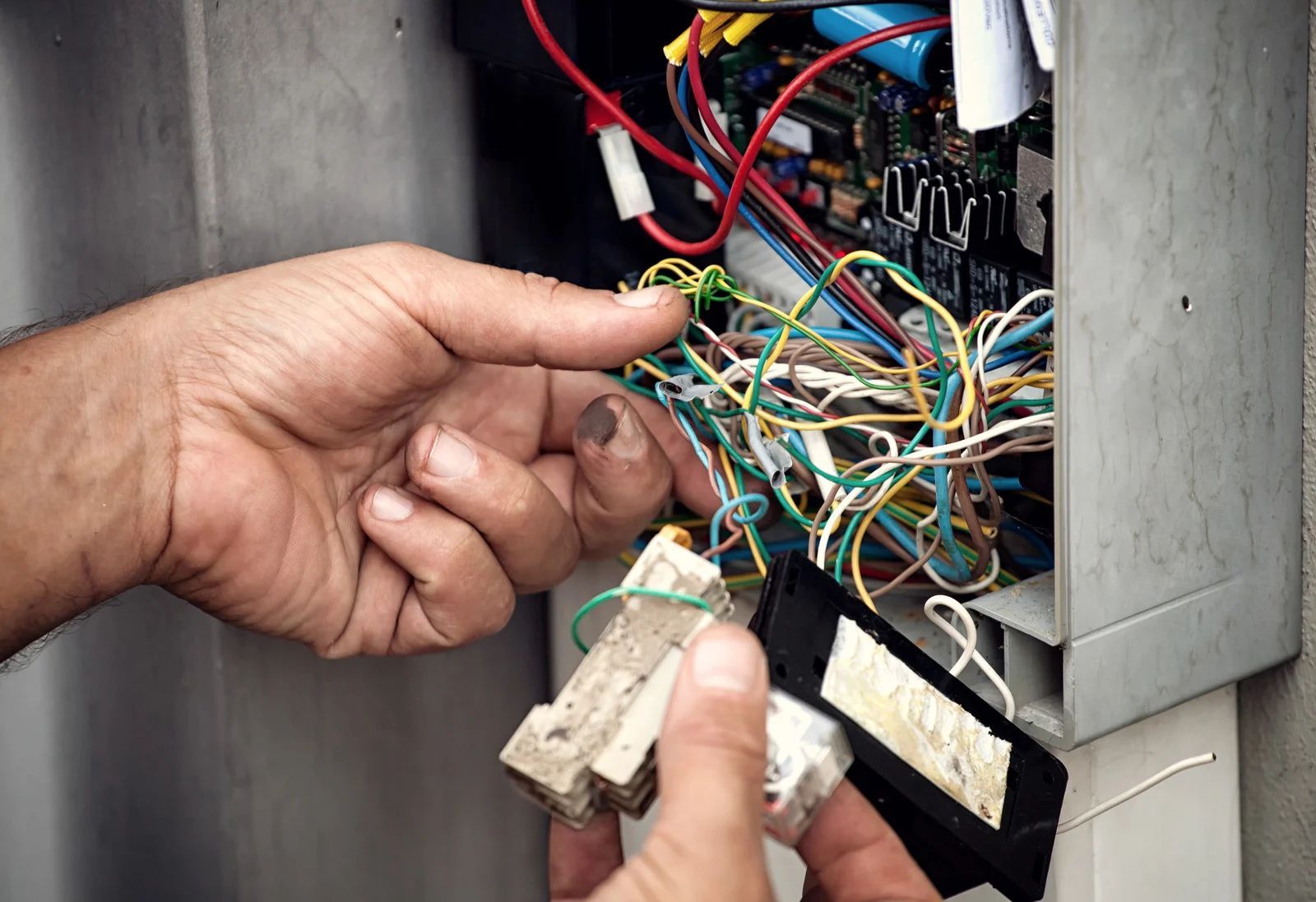
- Faulty Wiring and Exposed Conductors:- Aging or damaged wiring is another common source of electrical emergencies. Exposed wires, frayed cables, or chewed cords can create shock hazards and increase the likelihood of fires. Homeowners may notice flickering lights, buzzing sounds, or inconsistent power as signs of compromised wiring. Emergency electricians can inspect the system thoroughly, replace hazardous wiring, and implement safety measures that prevent future issues. Addressing wiring problems early reduces long-term repair costs and enhances overall electrical safety.
Recognizing Electrical Emergencies
Signs of Immediate Danger
Electrical emergencies often present clear warning signs. Indicators include:
- Sparks or arcing from outlets or switches
- Smoke or burning odors
- Sudden power loss or frequent breaker trips
- Hot or discolored outlets and wiring
- Tingling or mild shocks when touching appliances
These signs should never be ignored. Acting quickly can prevent injuries, extensive property damage, and operational disruptions.
Distinguishing Between Urgent and Non-Urgent Issues
Not all electrical issues require emergency intervention. For instance, a single tripped breaker due to routine appliance use may not be urgent. The difference lies in risk assessment: if the problem could cause fire, electrocution, or severe system damage, it is an emergency. Non-urgent issues, like replacing a burned-out light bulb or upgrading a fixture, can wait for a scheduled service. Understanding this distinction ensures resources are used efficiently while maintaining safety standards.
Real-World Scenarios
Consider a restaurant experiencing intermittent power loss in the kitchen. This could affect refrigeration, cooking equipment, and safety systems. Prompt emergency services prevent food spoilage, maintain operational continuity, and reduce liability. Similarly, in a residential context, sparking outlets near flammable materials pose immediate fire risks that require professional attention. Recognizing these scenarios reinforces the importance of quick, informed action.
Responding to Electrical Emergencies
- Immediate Safety Measures:- When confronted with an electrical emergency, safety is the priority. First, cut power at the main breaker if it can be done safely. Avoid touching exposed wires or appliances that may be energized. Keep children and pets away from the affected area. In cases of smoke, fire, or sparks, evacuate the premises and call emergency services. Never attempt repairs without proper training, as this can lead to electrocution or worsen the situation.
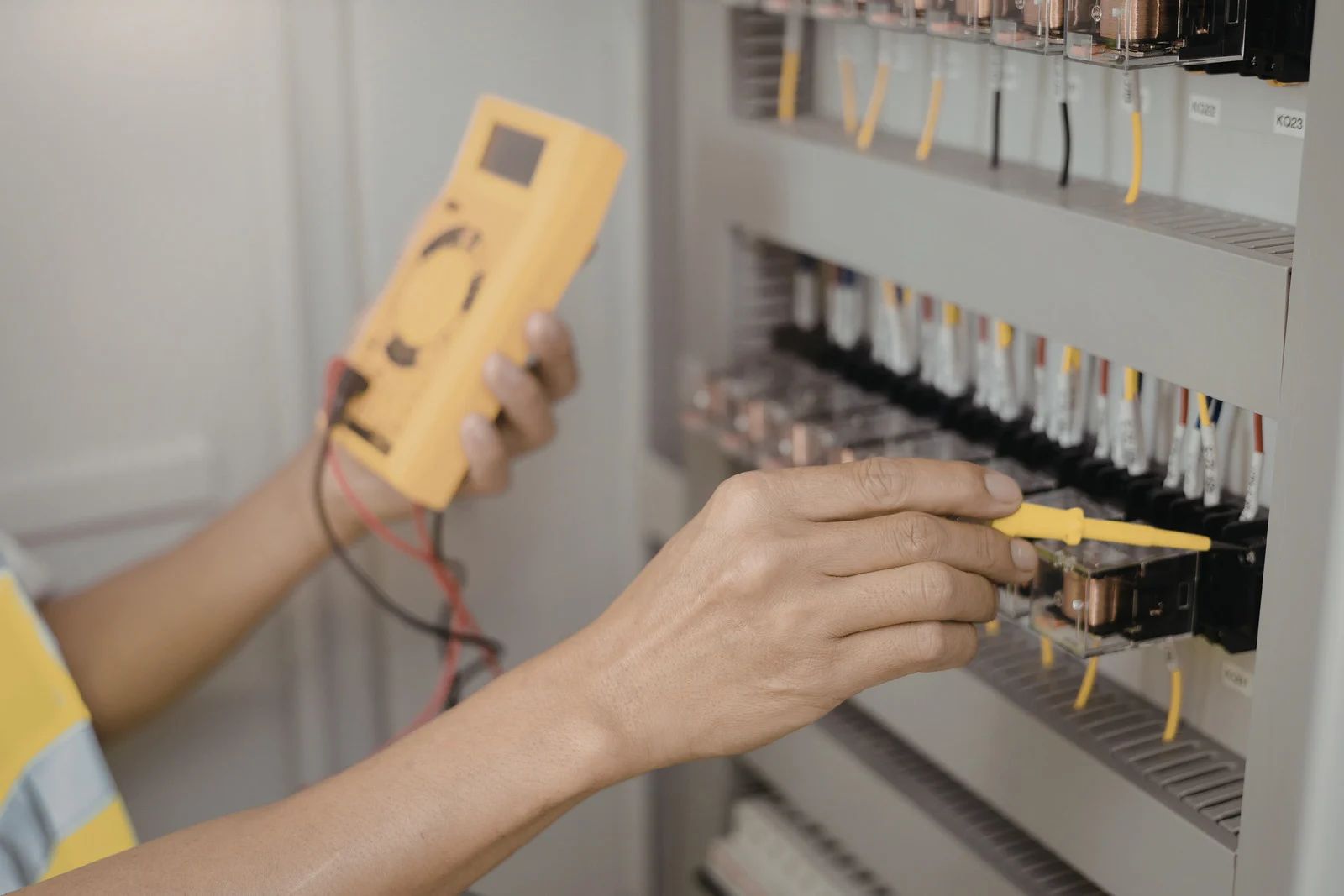
- Calling Professional Emergency Electricians:- Engaging licensed emergency electricians ensures a safe and efficient response. Professionals bring specialized tools, knowledge of local electrical codes, and experience with high-risk situations. They can quickly diagnose problems, repair faulty wiring, replace damaged components, and restore power safely. Many emergency services are available 24/7, reflecting the unpredictable nature of electrical failures.
- Documenting and Reporting Issues:- Accurate documentation is vital for future prevention and insurance purposes. Record what happened, including visible signs, affected areas, and any actions taken before professional help arrived. This information aids electricians in diagnosis, assists insurers in claims, and helps prevent recurrence. Documentation also supports proactive maintenance planning, reducing the likelihood of future emergencies.
Preventing Electrical Emergencies
Routine Electrical Maintenance
Regular inspections and maintenance are key to preventing emergencies. Scheduled checks can identify loose connections, deteriorating wiring, or overloaded circuits before they become hazardous. Maintenance may include testing breakers, inspecting outlets, verifying grounding systems, and checking appliances for compliance with safety standards. Consistent upkeep reduces the risk of fires, shocks, and costly repairs.
Upgrading Aging Systems
Older electrical systems may not handle modern power demands, increasing emergency risks. Upgrading wiring, panels, and circuits ensures the system can safely support appliances, HVAC units, and technology infrastructure. Emergency electricians can evaluate the existing setup and recommend improvements, such as installing additional circuits, replacing outdated breakers, or integrating surge protection devices.
Surge Protection and Safety Devices
Power surges from lightning strikes or utility fluctuations can damage equipment and pose fire hazards. Installing surge protectors, GFCI outlets, and AFCI breakers adds multiple layers of protection. These devices detect abnormal electrical activity and automatically shut off power, preventing damage and reducing emergency incidents. Combined with routine maintenance, surge protection significantly enhances safety.
Educating Occupants
Education plays an often-overlooked role in emergency prevention. Homeowners and employees should be trained to recognize warning signs, operate breakers safely, and understand when to call a professional. Encouraging safe practices, such as avoiding daisy-chaining power strips or overloading outlets, creates a safer environment and reduces reliance on emergency interventions.
Challenges in Managing Electrical Emergencies
- Access and Response Time:- One of the primary challenges in managing electrical emergencies is timely access. Complex wiring systems, locked panels, or remote locations can delay response. Ensuring clear access to breakers and providing accurate system information to electricians accelerates repair times. Emergency service providers often prioritize rapid response, but preparation on the user’s end is equally important.
- Balancing Urgency with Safety:- In high-pressure situations, the instinct may be to attempt immediate fixes. However, improper intervention can lead to electrocution, equipment damage, or fire. Professionals must balance urgency with thorough safety protocols. Understanding this balance helps homeowners and facility managers stay calm, take interim safety measures, and wait for expert assistance without exacerbating the problem.
- Cost Considerations:- Emergency repairs can be expensive, especially if hazardous conditions or extensive damage are involved. Investing in preventive maintenance, system upgrades, and safety devices reduces the likelihood of costly emergencies. Furthermore, working with certified professionals ensures repairs meet code requirements, avoiding potential fines or insurance complications.
Best Practices for Electrical Emergency Readiness
Establishing an Emergency Plan
Developing a clear plan prepares households and businesses for unexpected electrical failures. The plan should include contact information for licensed electricians, procedures for shutting off power, evacuation routes, and safety protocols. Having this information readily available minimizes confusion during a real emergency.
Maintaining Backup Power Solutions
Backup generators or UPS systems provide temporary power during outages, reducing disruption and protecting sensitive equipment. Proper installation and regular testing of these systems are critical to ensure reliability. Backup power is particularly important for businesses with critical operations, such as medical facilities, data centers, or food storage operations.
Continuous Monitoring and Technology Integration
Smart electrical monitoring systems detect anomalies, track energy usage, and alert users to potential problems before they escalate. These systems offer real-time insights, enabling preemptive action and reducing the frequency of true emergencies. Integration of technology with regular maintenance enhances overall electrical safety and operational efficiency.
Ensuring Safety While Responding to Electrical Issues
Electrical emergencies can arise without warning, posing serious risks to safety, property, and business continuity. Recognizing common emergencies, such as power outages, sparking outlets, overloaded circuits, and faulty wiring, is essential for prompt action. Immediate safety measures, professional intervention, and accurate documentation ensure these situations are managed effectively. Preventive strategies, including routine maintenance, system upgrades, surge protection, occupant education, and technological monitoring, significantly reduce emergency risks. While challenges like response time, safety balance, and costs exist, preparedness and informed decision-making provide a solid foundation for managing electrical crises.
MDE Electric LLC, located in Milton, Florida, brings 25
years of expertise to
emergency electrical services. Our licensed professionals understand the urgency and complexity of electrical failures, offering rapid, reliable, and safe solutions for homes and businesses. By combining extensive experience with advanced tools and proactive safety practices, we ensure every emergency is handled efficiently. Trust in our dedicated team to protect your property, minimize risks, and restore power quickly. Whether it’s a sudden outage, sparking outlet, or overloaded circuit, our commitment to excellence ensures your electrical systems are safe and dependable.