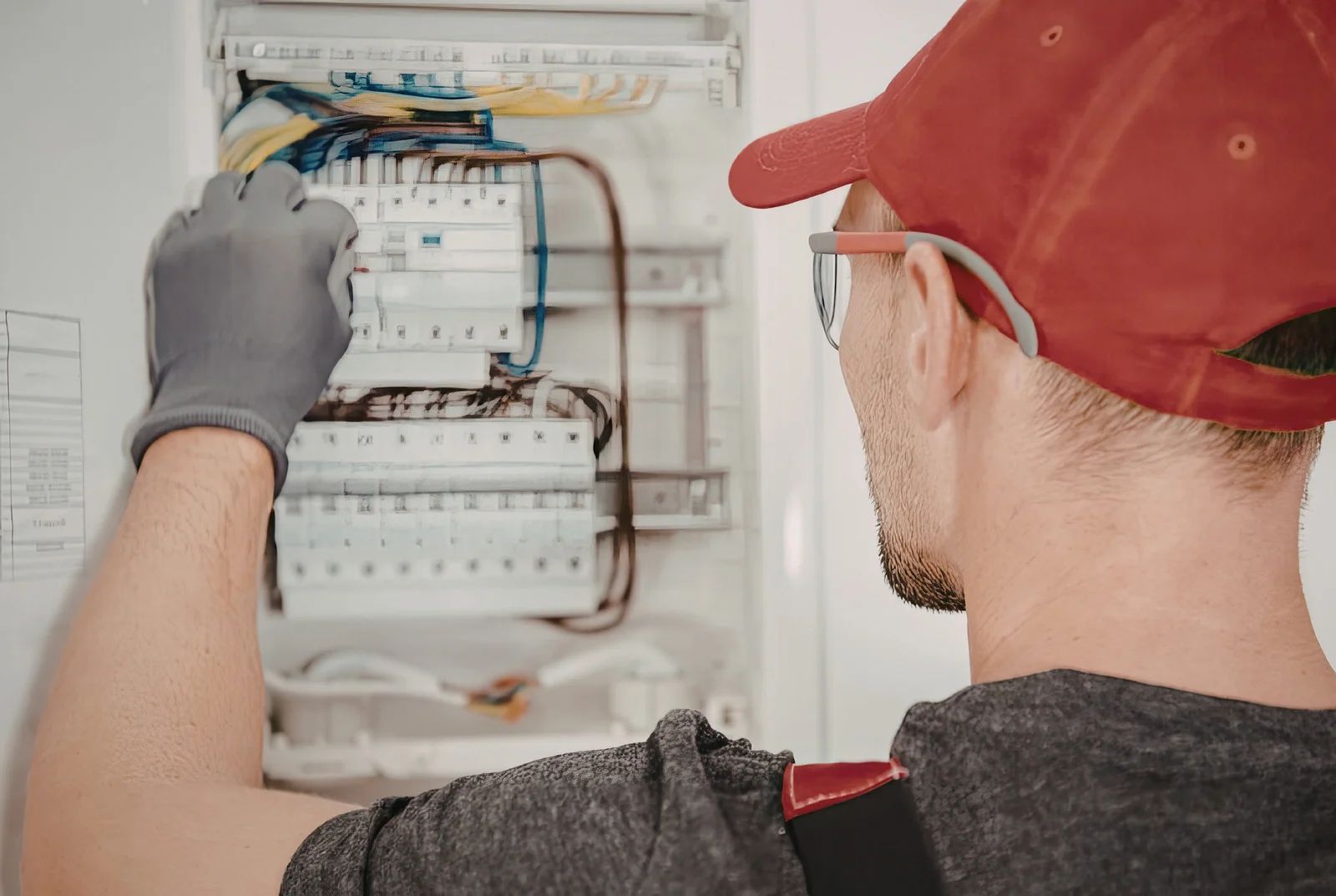
10 Hidden Electrical Issues Only a Professional Inspection Can Catch

February 4, 2026

Electricity powers every aspect of modern life, yet many homeowners and businesses underestimate the complexity of their electrical systems. While visible signs like flickering lights or tripped breakers often prompt action, numerous hidden issues remain undetected until they escalate into serious problems. Understanding these hidden risks underscores the importance of professional inspections by certified electricians, who possess the expertise and specialized tools to identify problems that may escape the untrained eye.


Routine inspections provide more than peace of mind—they are a proactive measure to safeguard homes, offices, and commercial spaces. Professionals can detect subtle warning signs, assess potential risks, and implement corrective actions before issues become critical. From outdated wiring to hidden grounding problems, the unseen components of your electrical system can have a significant impact on safety, efficiency, and overall system longevity. This blog explores ten hidden electrical issues that only a professional inspection can uncover, offering actionable insights for property owners to maintain safe and reliable electrical systems.

1. Faulty Wiring Hidden Behind Walls

Outdated or Damaged Wiring

One of the most common hidden electrical issues lies within the walls—wires that have aged, corroded, or suffered damage over time. Older homes often contain outdated wiring systems, such as knob-and-tube or aluminum wiring, which fail to meet current safety standards. A professional inspection allows electricians to identify these risks, even when no outward signs are visible.

Signs Homeowners Might Miss

Many homeowners assume that if outlets function and lights work, the wiring is safe. However, subtle clues such as discolored outlet covers, occasional flickering lights, or a faint burning odor often indicate a hidden problem. Professionals use specialized tools, including voltage testers and thermal imaging cameras, to detect these risks accurately without invasive wall removal.

Preventative Measures

Replacing outdated wiring with modern copper or installing circuit upgrades ensures compliance with current electrical codes. Proactive inspections reduce the likelihood of electrical fires, protect property, and improve energy efficiency, offering long-term cost savings.

2. Hidden Overloaded Circuits

  • Understanding Circuit Overload

    Overloaded circuits occur when the electrical demand on a particular circuit exceeds its designed capacity. While frequent breaker trips might alert homeowners, many overloads go unnoticed until they cause equipment damage or create fire risks. Multiple high-draw devices, such as HVAC systems, kitchen appliances, or home offices packed with electronics, can strain circuits beyond safe limits.

  • How Professionals Detect Overloads

    A licensed electrician can measure current loads on circuits and determine whether they operate within safe thresholds. Advanced diagnostic tools can monitor amperage patterns over time, highlighting circuits that are stressed but have not yet caused noticeable symptoms.

  • Risks of Ignoring Overloads

    Undetected overloads can overheat wiring, degrade insulation, and increase the risk of fires. They may also shorten the lifespan of connected appliances and electronics. Regular professional inspections help identify potential overloads before serious damage occurs, allowing for circuit redistribution, breaker upgrades, or additional circuits to accommodate modern energy needs.

3. Faulty or Improper Grounding

  • Why Grounding Matters:- Electrical grounding is critical for safety, providing a pathway for excess electrical energy to dissipate safely. Faulty or improper grounding can leave homes and businesses vulnerable to electrical shocks, equipment damage, and fire hazards. Hidden grounding issues are often undetectable without proper testing.


  • Detection Techniques:- Professionals employ grounding testers and circuit analyzers to verify the integrity of grounding systems. They can identify disconnected ground wires, corroded grounding rods, or improper bonding that compromises system safety.


  • Long-Term Benefits:- Correct grounding prevents electrical accidents, ensures compliance with national electrical codes, and protects sensitive electronic equipment from damage caused by voltage spikes. A routine inspection ensures the grounding system remains effective and reliable over time. 

4. Hidden Water Damage Affecting Electrical Components

  • Risks of Moisture Intrusion

    Water damage is often associated with visible leaks, but it can silently infiltrate electrical systems, especially in basements, attics, or behind walls. Moisture can corrode wires, compromise insulation, and create a direct path for electricity to escape, increasing the risk of electrocution or fire.

  • Professional Detection Methods

    Electricians can identify areas of concern using moisture meters, infrared cameras, and careful visual inspection. They check for water-stained junction boxes, corrosion on outlets, or damp wiring connections that may not yet show outward signs of malfunction.

  • Preventative Action

    Once identified, electricians can replace damaged components, seal connections, and recommend corrective measures such as improved ventilation or waterproofing. Early detection prevents catastrophic failures and ensures that electrical systems remain safe in moisture-prone areas.

5. Hidden Loose Connections

  • The Danger of Loose Wiring:- Loose electrical connections are a subtle but serious hazard. Over time, vibrations, thermal expansion, and repeated use can loosen screws in outlets, switches, or junction boxes. Loose connections create resistance, generating heat that may ignite surrounding materials.


  • Signs That Are Easily Overlooked:- Homeowners may notice occasional flickering lights, buzzing sounds, or a warm outlet faceplate. However, these signs are often intermittent and easily dismissed. Professionals use torque testing and thermal imaging to locate connections that are dangerously loose, even when symptoms are minimal.


  • Best Practices for Maintenance:- Regular inspections ensure all connections are secure and tightened to manufacturer specifications. Timely repairs reduce the risk of electrical fires, improve circuit efficiency, and maintain the reliability of the system over time.

6. Hidden Breaker Panel Issues

  • Aging Panels and Components

    Breaker panels are central to a building’s electrical safety, yet they are often out of sight and ignored. Corroded bus bars, rusted screws, and failing breakers are hidden problems that can compromise safety and system performance. Certain older panels are notorious for defects and may no longer meet modern electrical demands.

  • Professional Evaluation

    Electricians inspect panels for signs of corrosion, overheating, or mechanical wear. They test breakers individually, evaluate panel capacity, and ensure proper labeling and configuration. Some hidden issues, such as arc faults or weak connections within the panel, require specialized diagnostic tools that only professionals typically use.

  • Upgrading for Safety and Efficiency

    Replacing outdated or compromised panels not only improves safety but also accommodates modern electrical loads. This ensures that systems run efficiently, reduces fire risks, and provides peace of mind for property owners.

7. Concealed Rodent Damage

  • How Rodents Compromise Electrical Safety:- Rodents are attracted to warmth and shelter, often chewing on hidden wiring behind walls or ceilings. While homeowners may notice droppings or noise, the damage to wires often goes unseen. Exposed or frayed wires increase the risk of electrical shorts and fires.


  • Professional Detection Methods:- Electricians trained in rodent damage assessment look for bite marks, damaged insulation, and signs of nesting around junction boxes. They may use infrared imaging or voltage tests to detect faults caused by gnawed wires.


  • Preventative Solutions:- Once discovered, electricians repair the damaged wiring, replace compromised components, and provide guidance on rodent-proofing measures. Preventing further infestations minimizes recurring electrical hazards and safeguards the system against future failures.

8. Hidden Arc Faults

  • Understanding Arc Faults

    Arc faults occur when electricity jumps across gaps in wiring, generating intense heat that can ignite nearby materials. These faults are often intermittent and difficult to detect without specialized equipment, making them one of the most dangerous hidden electrical issues.

  • Detection Techniques

    Professionals use arc fault circuit interrupters (AFCIs) and diagnostic tools to pinpoint areas where arcing occurs. They monitor circuits for irregular current flow patterns that indicate hidden faults before they result in sparks or fires.

  • Safety Implications

    Early detection of arc faults is critical to fire prevention. Inspections allow electricians to replace faulty wiring, install AFCI protection, and ensure circuits comply with modern safety standards, protecting both property and occupants.

9. Hidden Voltage Irregularities

  • Effects of Inconsistent Voltage:- Voltage fluctuations or irregularities may not trigger immediate concerns but can slowly damage electronics, appliances, and lighting systems. Unstable voltage can stem from overloaded circuits, improper grounding, or utility-side issues that are often invisible to property owners.


  • Professional Diagnosis:- Electricians employ power quality analyzers to track voltage levels, monitor for spikes or sags, and identify problematic circuits. Detecting these irregularities early allows for corrective action, such as installing surge protectors, voltage regulators, or reconfiguring circuits to balance loads.


  • Benefits of Voltage Stabilization:- Properly regulated voltage extends the life of sensitive electronics, improves operational efficiency, and prevents unexpected failures. Professional inspections ensure that potential voltage problems are addressed before they escalate.

10. Hidden Subpanel and Extension Issues

  • Risks in Secondary Panels

    Many properties utilize subpanels or extensions to support additional circuits. These secondary systems are prone to hidden issues, such as loose connections, overloaded circuits, or outdated wiring, which often go unnoticed until failure occurs.

  • Professional Inspection Methods

    Licensed electricians inspect subpanels with the same rigor as main panels. They test for proper load distribution, examine connection integrity, and verify that subpanels meet code requirements. This comprehensive assessment prevents hidden hazards and ensures safe power distribution.

  • Proactive Management

    Addressing subpanel issues before they escalate prevents fire risks, minimizes downtime, and supports future electrical expansion. Regular inspections also help maintain system efficiency and compliance with local electrical regulations.

Trusted Professionals Detect Hidden Arc Fault Hazards

Hidden electrical issues pose a significant risk to property safety, efficiency, and long-term system performance. For property owners in Milton, Florida, MDE Electric LLC offers 25 years of trusted experience in identifying and resolving hidden electrical issues. Our licensed electricians provide comprehensive inspections, from circuit panels and grounding systems to wiring concealed behind walls. We prioritize safety, efficiency, and reliability, ensuring that your electrical systems perform optimally while minimizing risks. With decades of hands-on expertise, MDE Electric LLC is a dependable partner committed to protecting your property and providing peace of mind through meticulous, professional electrical care.

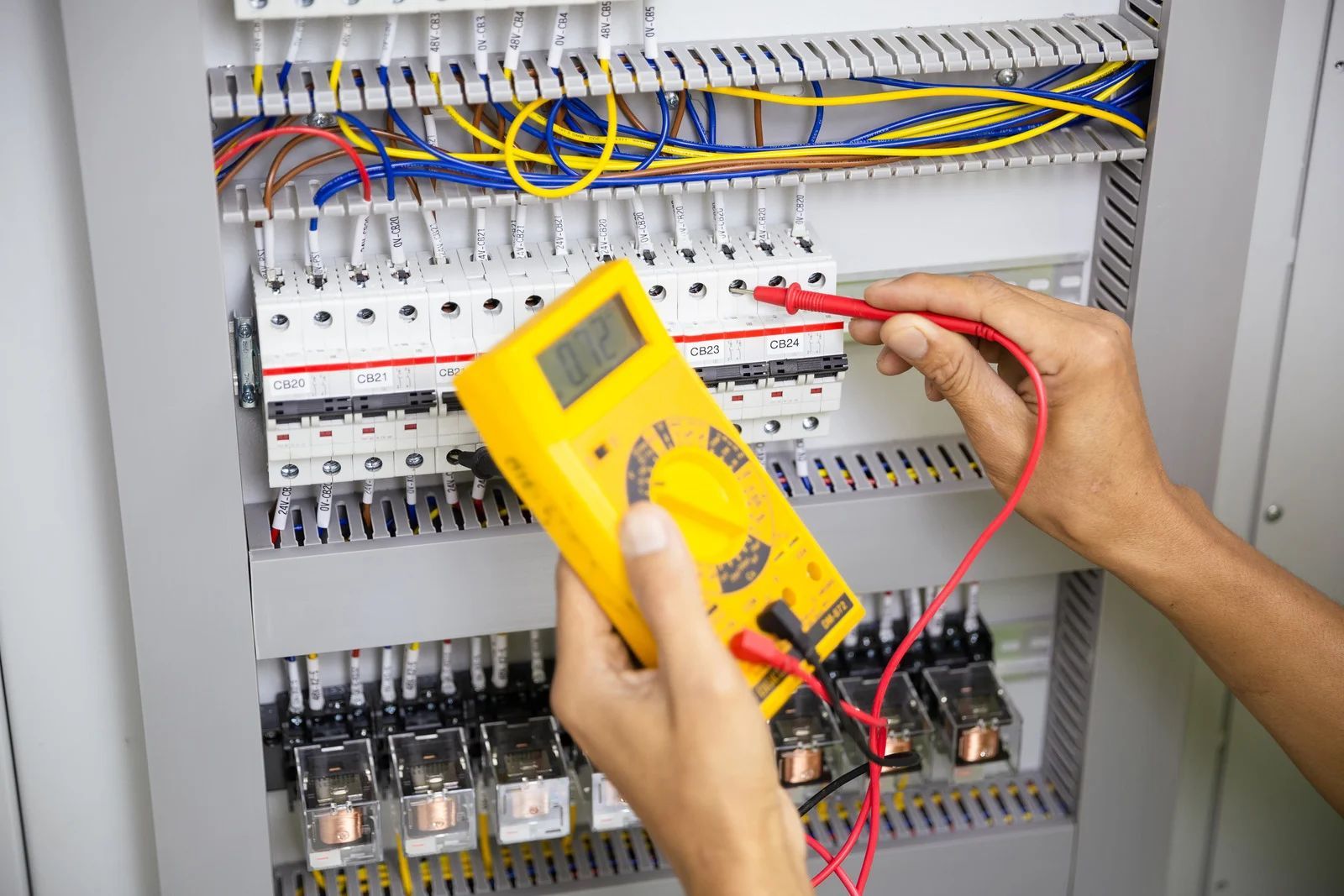
Electrician using a multimeter to inspect an electrical panel with wires and circuit breakers.
January 5, 2026
Electricity is the backbone of modern businesses, powering everything from lighting and HVAC systems to computers, machinery, and security devices. Despite its essential role, many commercial property owners overlook routine electrical maintenance, assuming that systems will function properly until a problem arises.
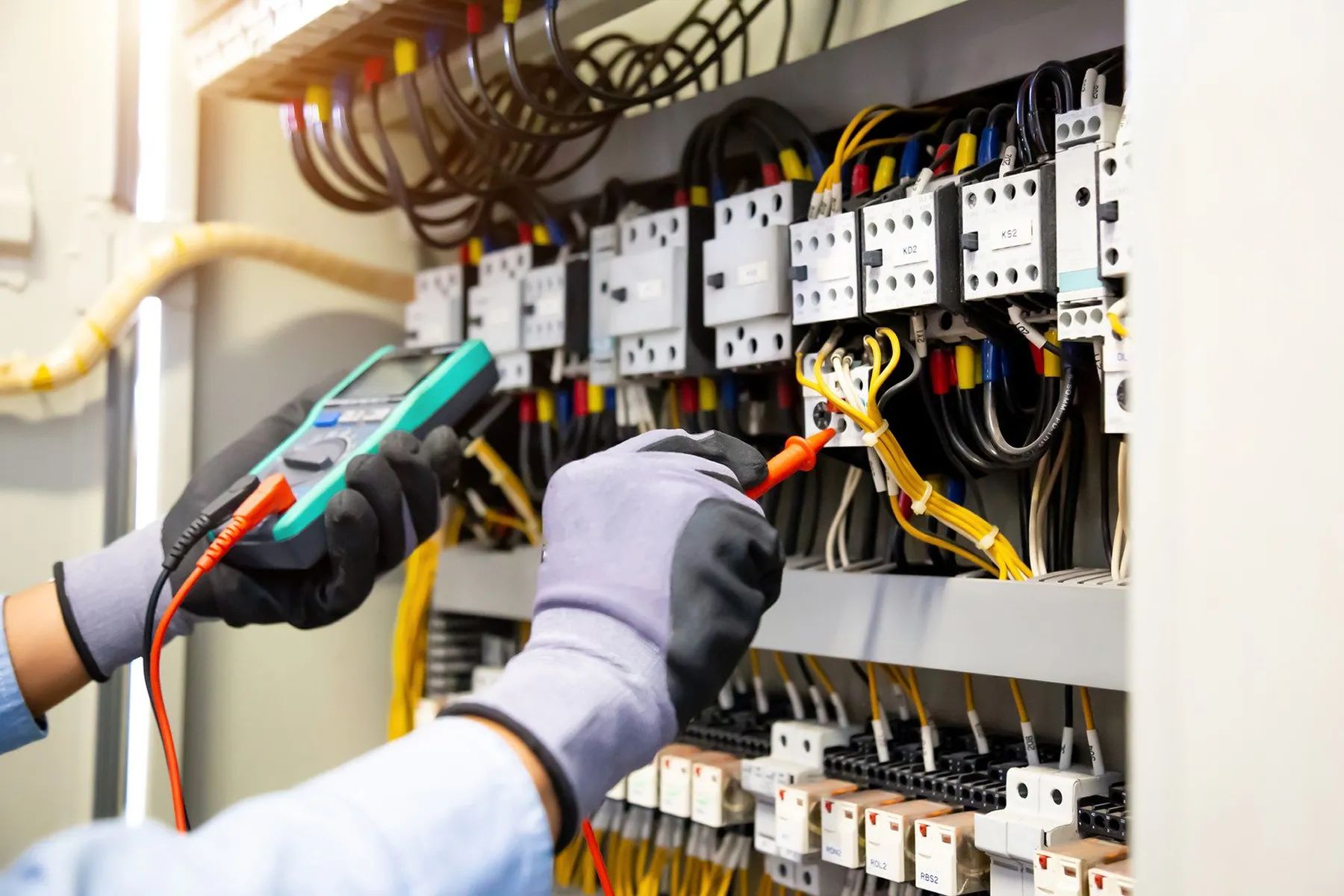
Hands working on an open electrical box, with tangled wires and components visible.
December 16, 2025
Electricity powers nearly every aspect of modern life, from lighting our homes and offices to running essential appliances and equipment. While electrical systems are designed to be reliable, they can sometimes fail unexpectedly, creating situations that pose serious risks to safety, property, and productivity.
Two people installing a gray generator near a beige wall, outdoors. One person is in pink, the other in blue.
November 11, 2025
Power outages can strike at any time, leaving families in the dark and disrupting daily routines. Whether caused by storms, grid failures, or unexpected emergencies, losing electricity can create safety concerns and discomfort. From spoiled food to interrupted medical equipment, the consequences can be serious.
Electrician using a multimeter to inspect an electrical panel with wires and circuit breakers.
January 5, 2026
Electricity is the backbone of modern businesses, powering everything from lighting and HVAC systems to computers, machinery, and security devices. Despite its essential role, many commercial property owners overlook routine electrical maintenance, assuming that systems will function properly until a problem arises.
Hands working on an open electrical box, with tangled wires and components visible.
December 16, 2025
Electricity powers nearly every aspect of modern life, from lighting our homes and offices to running essential appliances and equipment. While electrical systems are designed to be reliable, they can sometimes fail unexpectedly, creating situations that pose serious risks to safety, property, and productivity.
Two people installing a gray generator near a beige wall, outdoors. One person is in pink, the other in blue.
November 11, 2025
Power outages can strike at any time, leaving families in the dark and disrupting daily routines. Whether caused by storms, grid failures, or unexpected emergencies, losing electricity can create safety concerns and discomfort. From spoiled food to interrupted medical equipment, the consequences can be serious.